
Top Low-Maintenance Landscaping Ideas for Homeowners
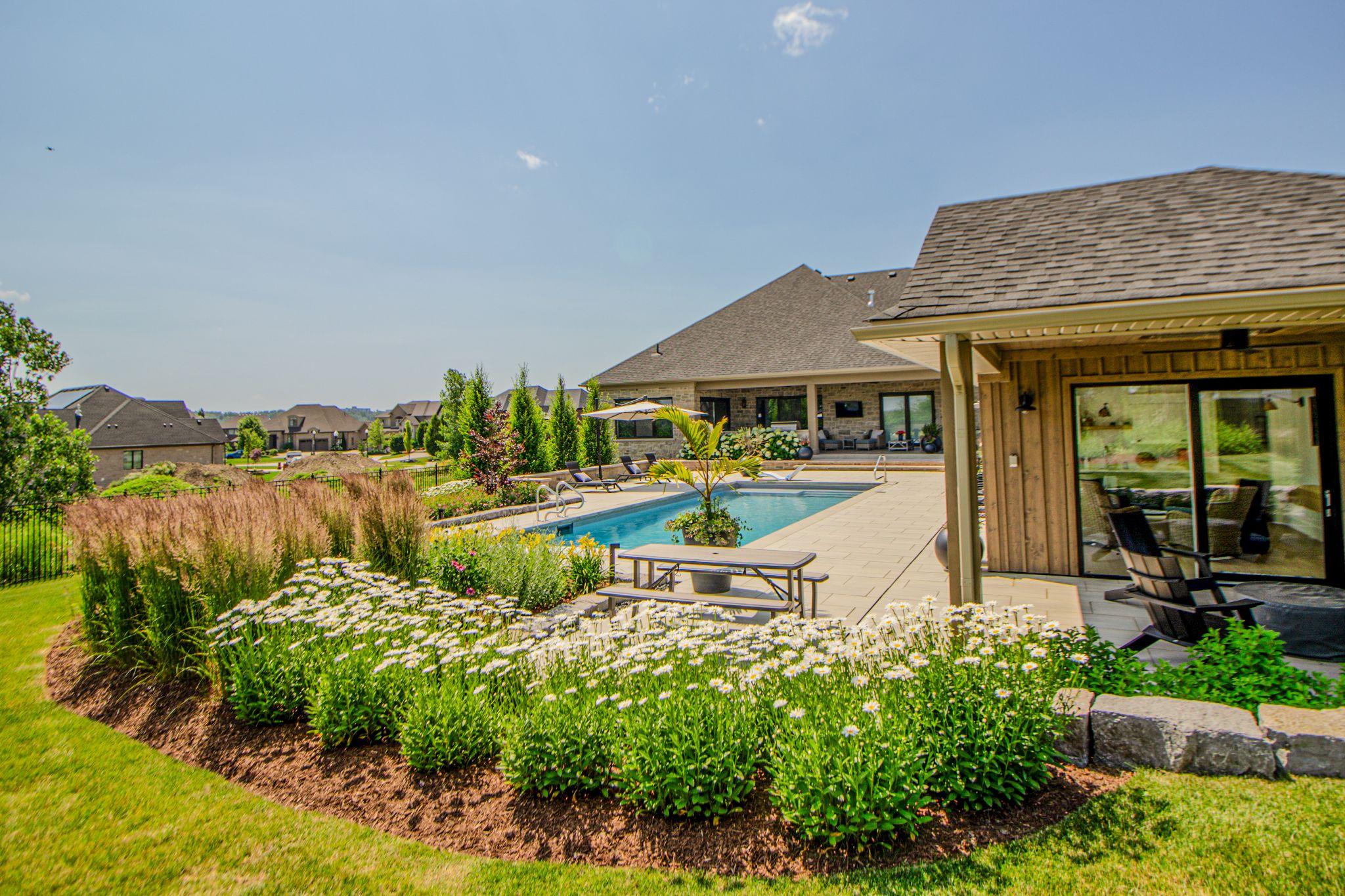
Tired of spending weekends mowing, weeding, and troubleshooting irrigation problems in your yard? It can be frustrating to feel like your landscape constantly demands attention. Whether it’s plants that don’t thrive, hardscapes that wear quickly, or an overall layout that never quite feels finished, the upkeep can become a burden. Instead of enjoying your yard, you end up working in it.
That’s where low-maintenance landscaping offers a better way forward. With smart planning, durable materials, the right plant selections, and a proper guide you can achieve a healthy and appealing landscape that requires minimal maintenance. This approach puts time back in your hands while still offering a space you’re proud of.
This guide will walk you through what constitutes low-maintenance landscaping, why it's ideal for modern backyards, and how it fits into a comprehensive design & build strategy.
What Plants & Materials Count as Low-Maintenance Landscaping?
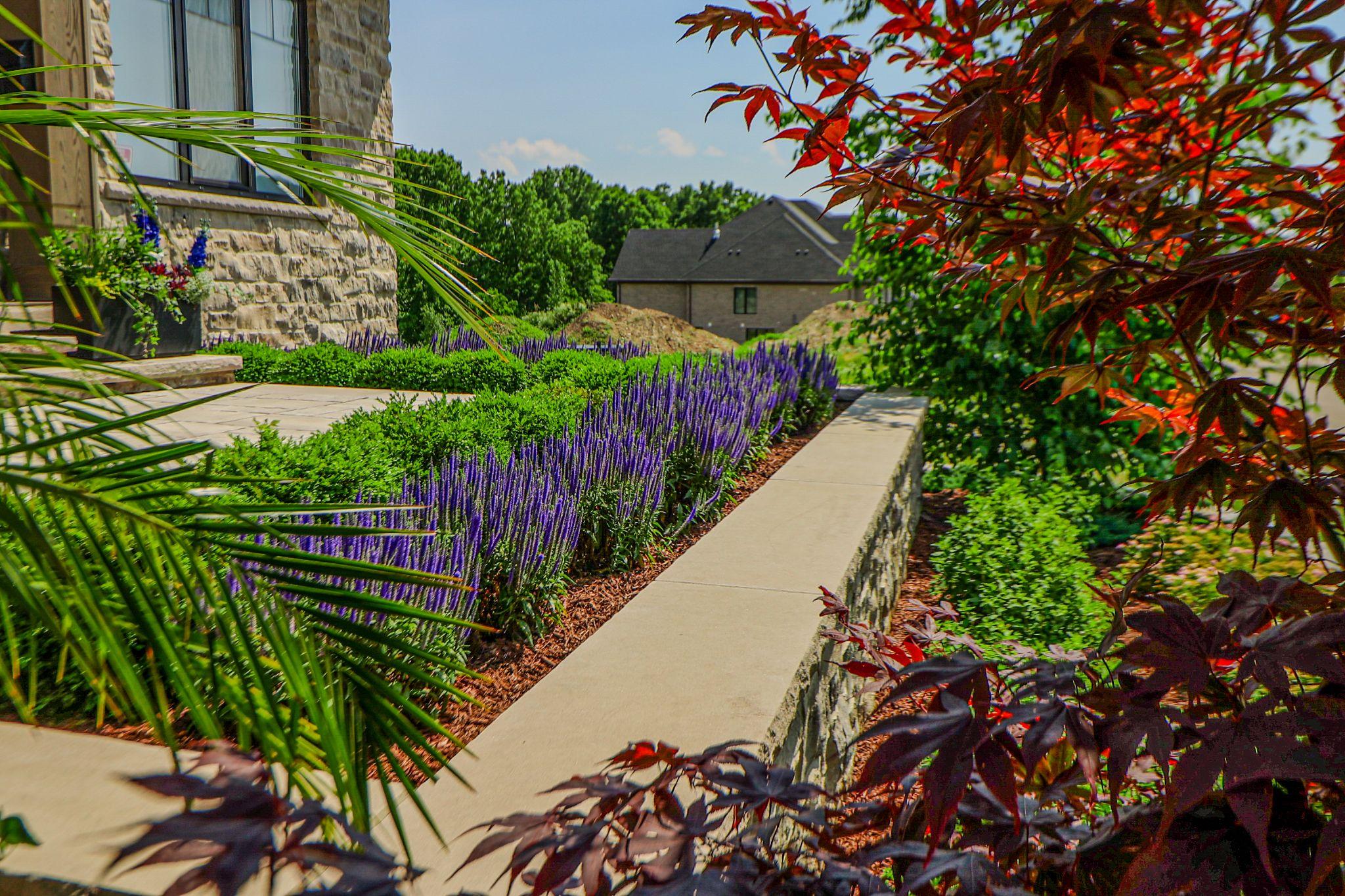
Not all landscaping choices are created equal when it comes to upkeep. Some plant species and material types naturally require less attention, watering, and repair over time. When you make smart selections at the beginning, your outdoor space becomes easier to manage long-term.
Plant Choices That Keep It Simple:
- Native plants: These are adapted to your local climate and soil, so they typically thrive with minimal watering, fertilizing, or pest control.
- Perennials: These come back every year without replanting. Once established, many perennials require very little care.
- Evergreens: Year-round greenery with little pruning required, evergreens are both reliable and visually steady.
- Ground covers: Plants like creeping thyme or sedum reduce weed growth and don’t need mowing.
Materials That Last Without Fuss:
- Pavers and stone walkways: These durable and resistant materials withstand various weather conditions, making them a long-lasting choice that rarely requires replacement or repair.
- Mulch or gravel beds: An excellent alternative to high-maintenance lawns, these beds effectively suppress weed growth and prevent soil erosion, simplifying your landscape upkeep.
- Composite decking: Enjoy the aesthetic appeal of wood without the demanding maintenance. Composite materials are engineered to resist fading and cracking, ensuring your deck remains beautiful for years with minimal effort.
- Powder-coated metal or high-grade wood fencing: Built to withstand the elements, these fencing options require fewer repairs and less frequent painting or staining compared to traditional materials, offering enhanced durability and reduced upkeep.
Choosing the right mix of hardy, self-sufficient plants and long-lasting materials gives you a landscape that supports itself more than it needs you.
How Can You Reduce Maintenance Time with Low-Maintenance Choices?
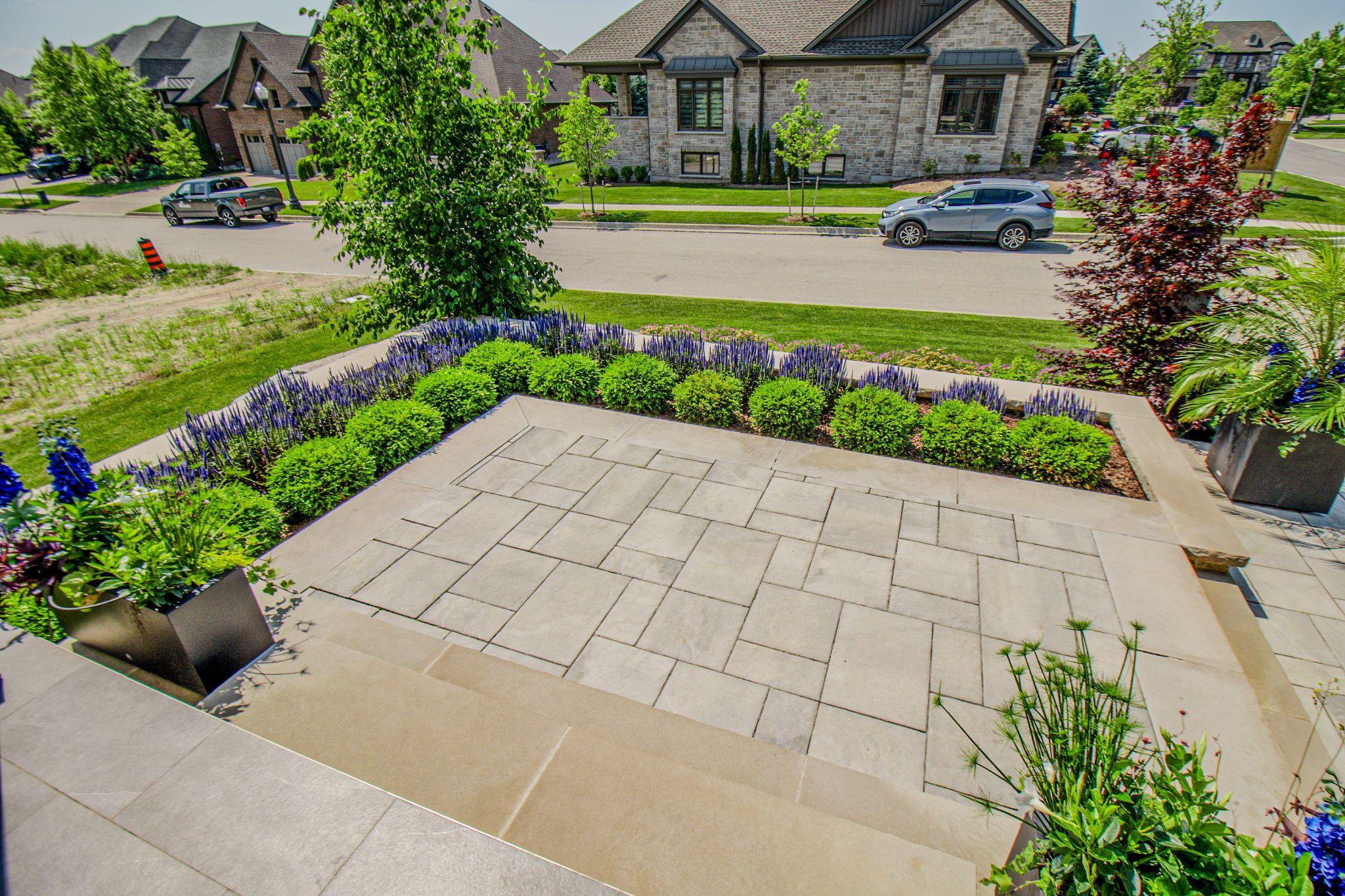
Every hour you spend troubleshooting your outdoor space adds up. Low-maintenance landscaping isn’t just about looks; it’s about reclaiming your time and using it on what matters most. When your yard supports itself, you get to enjoy it more often and work in it less.
With drought-tolerant plants and mulch beds, you’ll find yourself watering far less frequently. These features naturally retain moisture, reducing the time and effort needed to keep your greenery hydrated. Long-living perennials, shrubs, and durable hardscape materials minimize the need for constant replacements or repairs, especially across changing seasons.
Maintaining a clean yard becomes easier, too. Defined garden beds, clean edges, and paved paths keep your outdoor space looking organized and are simpler to care for than sprawling lawns or irregular planting areas. And when you include smart irrigation systems in your design, watering becomes automatic. These systems deliver just the right amount of moisture at the right time, with seasonal adjustments that keep your plants healthy year-round.
Instead of weekly chores, you’re left with a space that rewards you with peace and ease without compromising its appearance or health.
Why Is Low Maintenance Landscaping Popular For Backyard Spaces?
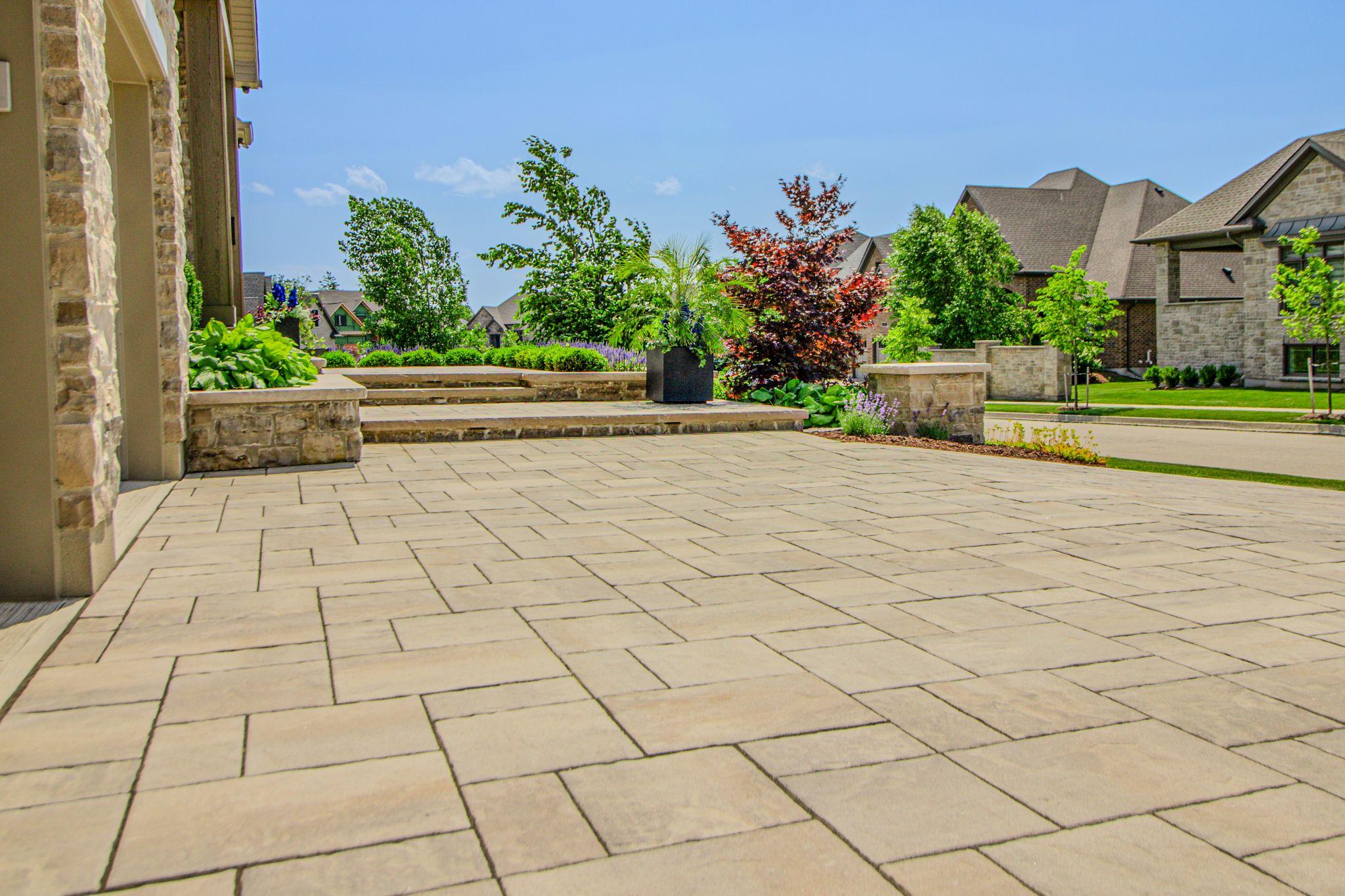
Backyards are about personal enjoyment. Whether you host friends, garden with your kids, or unwind after a long day, your yard should give you back energy, not drain it.
Here’s why more homeowners are leaning toward low-maintenance landscaping in their backyard:
- More free time: With a low-maintenance landscape, you'll spend less time on chores like mowing, weeding, and watering, freeing up your schedule to relax, pursue hobbies, or spend quality time with family and friends.
- Greater usability: Well-designed, low-maintenance features, such as durable patios, clearly defined pathways, and strategically placed hardscaping, make your outdoor space more functional, accessible, and enjoyable for various activities.
- Consistent appeal: Low-maintenance plants and materials are chosen for their resilience and ability to retain their aesthetic appeal with minimal intervention, ensuring your yard looks neat and attractive even if you're unable to dedicate regular time to upkeep.
- Long-term savings: Opting for a low-maintenance landscape can significantly reduce ongoing expenses. This includes decreased water bills due to drought-tolerant plantings, fewer costs associated with chemical fertilizers and pesticides, and less frequent need for plant replacement, leading to substantial savings over many years.
If your backyard is where you recharge, it should feel inviting, not like another project waiting to be done.
How Does Durability Influence Your Future Maintenance Needs?
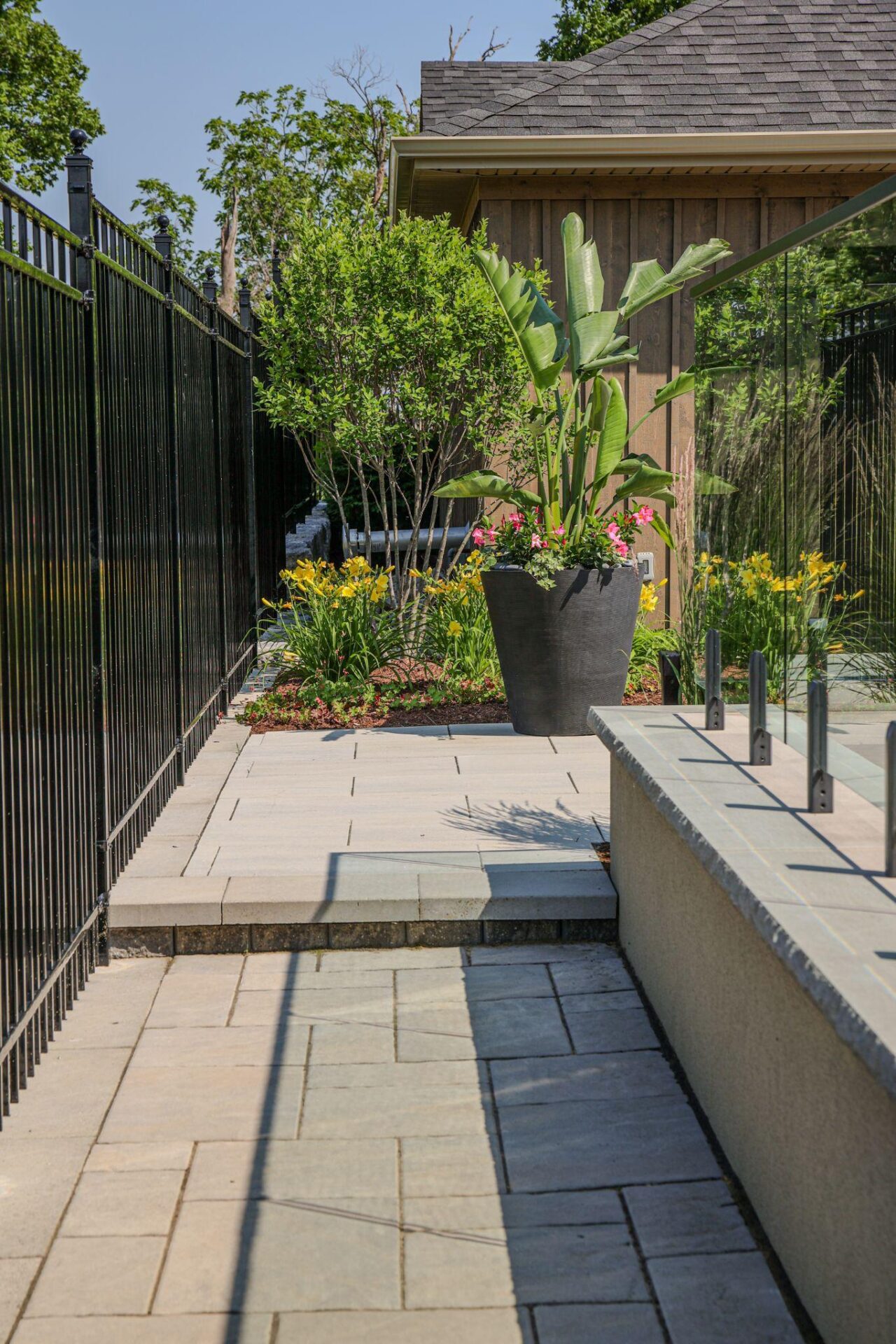
The materials you choose during your build phase play a big role in how often you’ll need to maintain your outdoor space. Durable doesn’t mean fancy; it means tested, proven, and well-suited to your region.
Key benefits of choosing durable elements:
- They resist wear: Quality patios and retaining walls are built to withstand the elements and heavy use. They won't easily shift or crack, even when exposed to harsh weather conditions like freeze-thaw cycles, which can be particularly damaging to less durable materials. This means fewer repairs and a longer lifespan for your outdoor features.
- They weather well: High-grade wood, natural stone, or composite materials are specifically chosen for their ability to endure exposure to the elements. They are resistant to UV radiation, heavy rain, and the natural aging process, maintaining their aesthetic appeal and structural integrity over time. This prevents fading, rot, and other forms of deterioration.
- They reduce repeat work: Investing in quality materials and construction for your outdoor living spaces means less ongoing maintenance. You'll spend less time and money on tasks like sealing, repainting, and making frequent replacements, leading to significant long-term time and cost savings. This allows you to enjoy your outdoor space rather than constantly maintaining it.
At TriGreen Landscape Group, clients often share that one of their biggest frustrations with previous landscaping projects was how quickly things started falling apart. That’s why the team puts careful emphasis on choosing materials that will stand the test of time.
How Does Low-Maintenance Landscaping Support Your Design & Build Project?
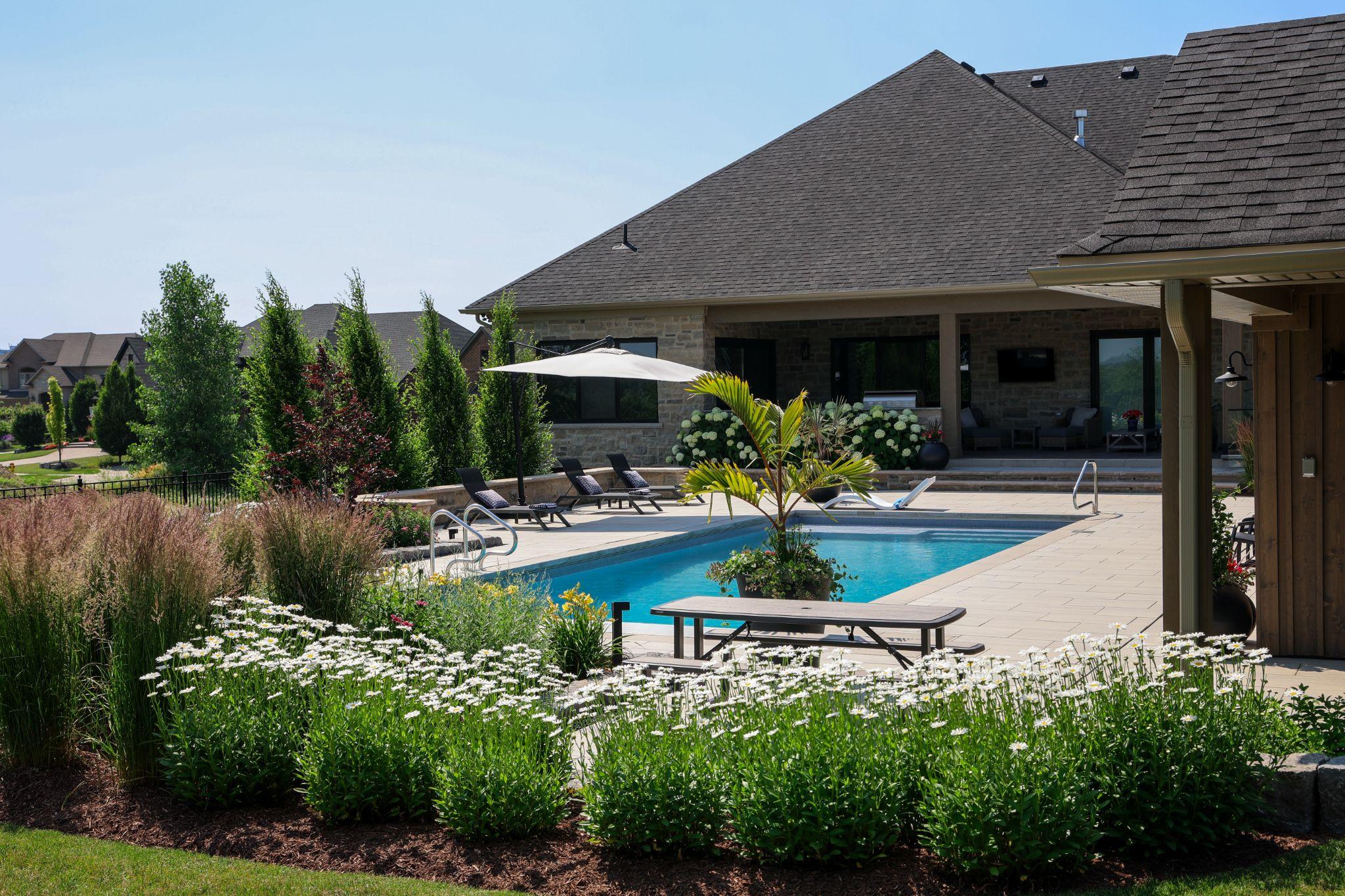
Low maintenance isn’t an afterthought. It’s something to prioritize from the very beginning of your design & build project.
Here’s how it supports your entire landscaping journey:
- It informs layout choices: Designing a landscape with low maintenance in mind leads to thoughtful decisions about the use of space. Less-expensive lawn areas, which require frequent mowing and fertilization, are often replaced with more functional and aesthetically pleasing hardscape elements like patios, walkways, or gravel areas. This not only reduces upkeep but also creates clearer zones and organization within the landscape, improving its overall navigability and appeal.
- It improves sustainability: A low-maintenance landscape naturally lends itself to sustainable practices. Incorporating native plants, which are adapted to the local climate and soil conditions, reduces the need for excessive watering, fertilizers, and pesticides. Efficient irrigation systems, such as drip irrigation, deliver water directly to plant roots, minimizing waste. These eco-friendly choices conserve natural resources and minimize the environmental footprint of the landscape.
- It aligns with budget-consciousness: While the initial investment in certain low-maintenance materials or design elements might be higher, the long-term financial benefits are substantial. For example, permeable pavers or drought-tolerant plantings may have a greater upfront cost than a traditional lawn, but they drastically reduce ongoing expenses related to water bills, fertilization, pest control, and professional maintenance services. This approach offers significant savings over the lifespan of the landscape.
- It helps your team plan smarter: Collaborating with a landscape company that understands your goals for a low-maintenance property allows them to propose intelligent and durable solutions. They can suggest features and materials that are not only aesthetically pleasing but also built to last and align with your available time and resources for maintenance. This proactive planning ensures that your landscape remains beautiful and manageable for years to come, avoiding costly redesigns or extensive upkeep surprises.
And when your maintenance team already knows the layout, they care for it with the original intent in mind. This leads to better outcomes, quicker service, and more thoughtful updates over time.
You Get a Yard That Works for You, Not Against You
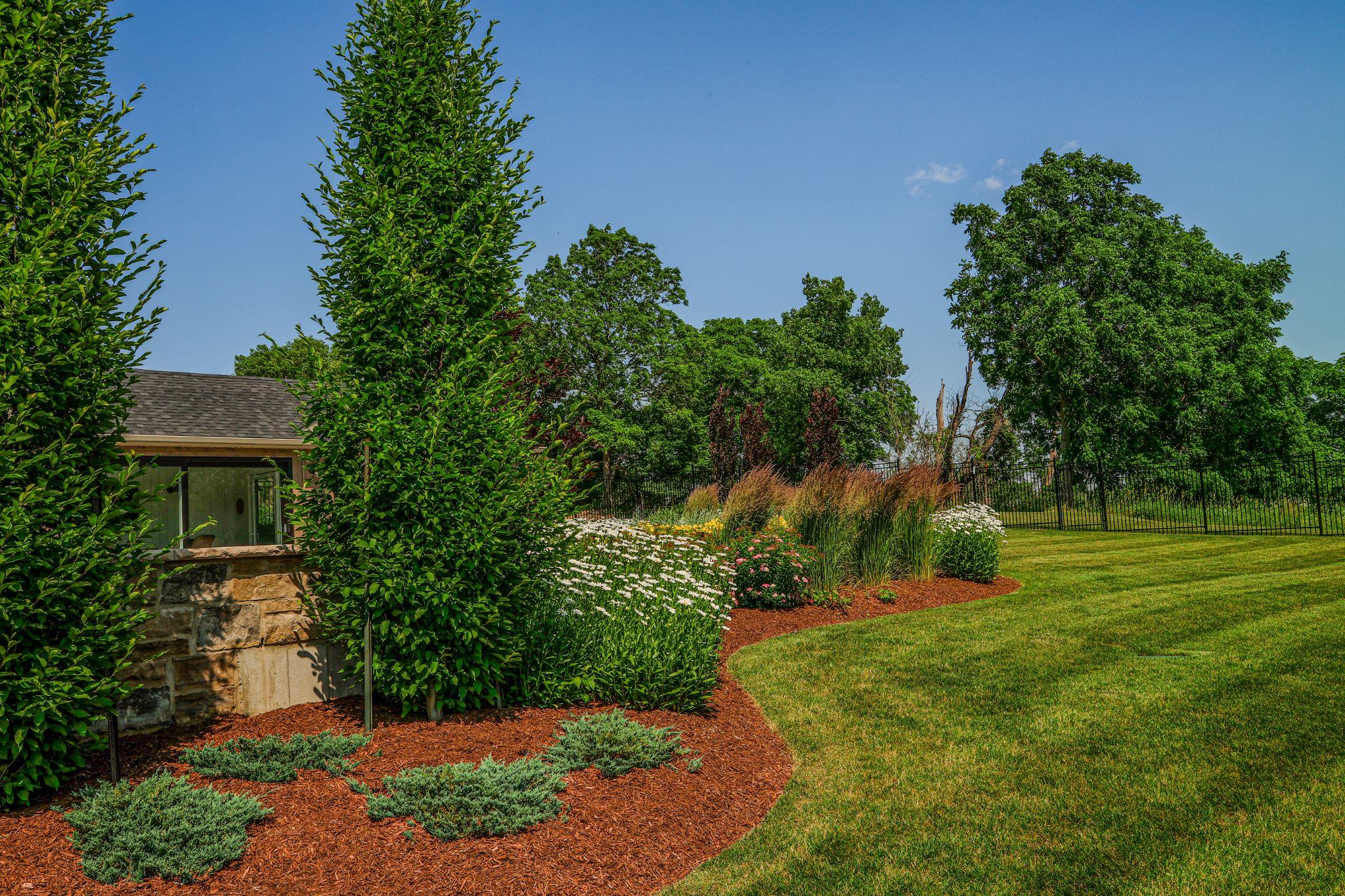
Low-maintenance landscaping is about practical decisions and thoughtful planning. When your landscape is built to last, with smart plantings and materials that don’t demand constant attention, your outdoor space becomes a source of comfort, not a chore.
That’s why TriGreen Landscape Group focuses on quality from the ground up, delivering results you can count on, and staying communicative every step of the way.
Ready to make your yard easier to care for? Let’s build a landscape that keeps its beauty without demanding your weekends. With the right materials, smart design, and expert planning, your outdoor space can look great without the constant work.
Summary
This blog explores how low-maintenance landscaping can simplify yard care, reduce time spent on upkeep, and enhance the long-term value of your property. By choosing durable materials, native plants, and smart design, your yard stays attractive with less effort.
Tags: