
What You Should Know About Landscape Maintenance

What happens when your yard starts looking tired, patchy, or out of control just a season or two after the build?
Seeing your investment lose shape, colour, and health can feel discouraging. You put time, energy, and money into creating a beautiful space, yet overgrown hedges and stressed-out plants start creeping in. This isn’t just about looks; it’s about losing the comfort, pride, and usefulness your outdoor space was meant to offer.
That’s where landscape maintenance makes the real difference. Thoughtful, ongoing care isn’t a luxury; it’s the key to preserving what you’ve built. With quality installation at the start, a proactive maintenance plan, and a team that communicates clearly, you get a yard that keeps its value and stays enjoyable year after year. Learn more this process and more with our design and build guide.
This guide will help you understand landscape maintenance, how it supports your design-build goals, and why it’s about much more than mowing the lawn.
What Types Of Maintenance Work Go Into Landscape Maintenance?
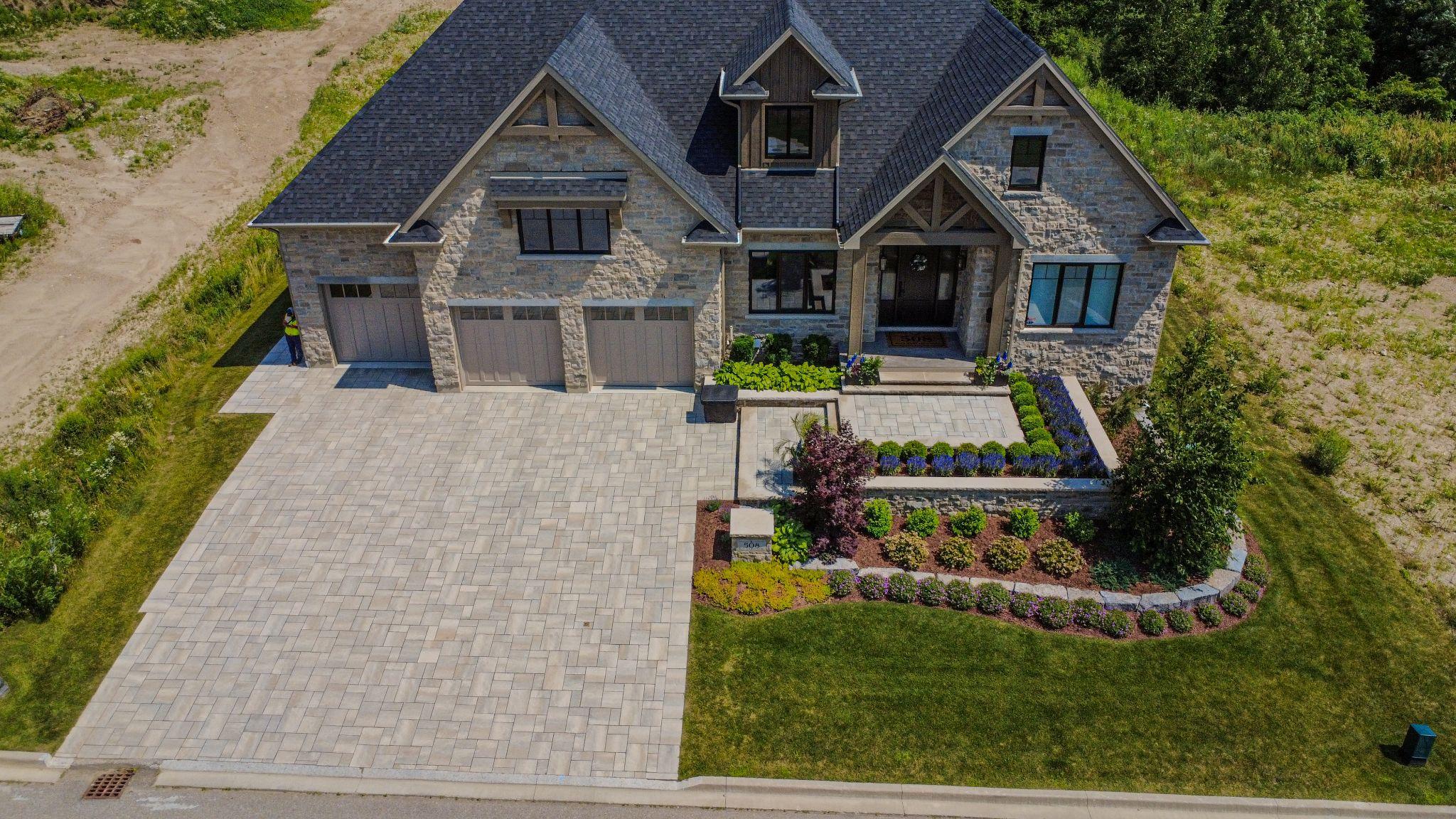
Landscape maintenance is not a one-size-fits-all checklist. The tasks that go into caring for your outdoor space depend on your layout, plants, hardscapes, and seasonal needs. But overall, the work typically includes:
- Lawn mowing & trimming
Regular mowing keeps your grass healthy and prevents overgrowth. Trimming edges gives your lawn a crisp, manicured look, helping your entire property feel tidy and well-cared for.
- Edging walkways & garden beds
Defined edges between lawn, pathways, and beds improve visual appeal and help keep grass and weeds from spreading where they shouldn't.
- Pruning shrubs & trees
Routine pruning shapes plants for both beauty and health. It also removes dead or diseased limbs, improving airflow and light penetration for stronger growth.
- Seasonal cleanups (spring & fall)
These major cleanups remove debris, dead leaves, and spent plants. They reset your landscape for a fresh growing season or help it wind down before winter.
- Weed control & mulching
Managing weeds early keeps them from spreading, and mulch helps retain soil moisture, suppresses weeds, and regulates temperature for plant roots.
- Fertilization & soil health checks
Balanced fertilizer applications boost plant vitality, while periodic soil testing ensures nutrients are available for healthy, sustained growth.
- Irrigation inspection & adjustment
Regular checks ensure your watering system is delivering efficiently and evenly. Adjustments are made seasonally to avoid over- or under-watering.
- Hardscape cleaning & sealing
Pressure washing and sealing patios, pavers, and walls protect surfaces from weather, moss buildup, and staining, extending their lifespan and appearance.
- Pest & disease monitoring
Early detection of harmful insects or plant diseases allows for quick, targeted treatment, minimizing damage and reducing the need for major interventions.
When maintenance is consistent and comprehensive, your landscape not only looks better but also functions better. Drainage stays efficient, plants stay healthy, and the materials last longer.
How Often Should You Schedule Landscape Maintenance?
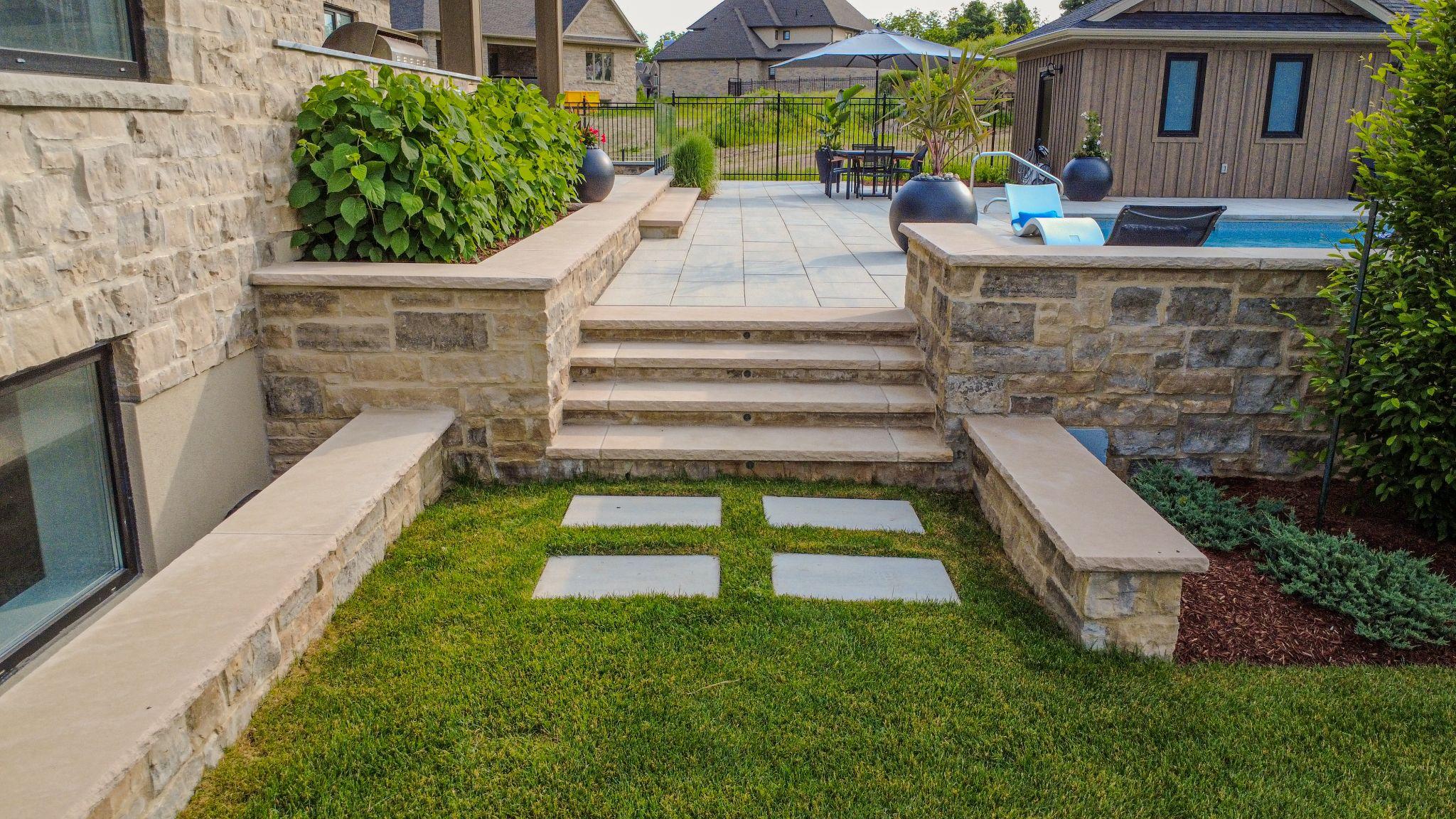
Maintenance schedules can vary, but here are a few guiding principles:
- Weekly or bi-weekly visits are ideal during the growing season (spring through early fall).
- Seasonal cleanups in spring and fall help refresh and prepare your yard.
- Monthly check-ins in winter can ensure hardscapes and dormant plants stay protected.
A reliable team will help tailor a schedule based on your property’s specific needs and the design elements in place.
Benefits of routine visits:
Routine landscape maintenance isn’t just about keeping your lawn trimmed or your flower beds neat. It’s about avoiding potential problems and creating the conditions your yard needs to thrive throughout the year. Scheduled visits from a trusted team ensure that nothing gets overlooked and your property always looks its best.
- Early identification of plant health issues: Catching signs of stress, disease, or pests before they escalate can save plants and prevent larger problems later, minimizing the need for costly interventions.
- Stronger root systems and better plant development: Regular pruning, fertilizing, and care help plants establish more resilient roots and grow more vigorously, leading to healthier, more robust plants that are better able to withstand environmental stressors.
- Reduced risk of overgrowth or system failures: Proactive inspections and upkeep of irrigation and drainage systems help avoid breakdowns that could cause expensive damage or wasted resources, ensuring your landscape remains well-maintained and efficient.
- Consistent curb appeal and property value retention: A yard that looks polished all season long gives a positive impression and supports the long-term value of your home, making it more appealing to visitors and potential buyers.
Why Does Quality Installation Reduce Maintenance Needs?
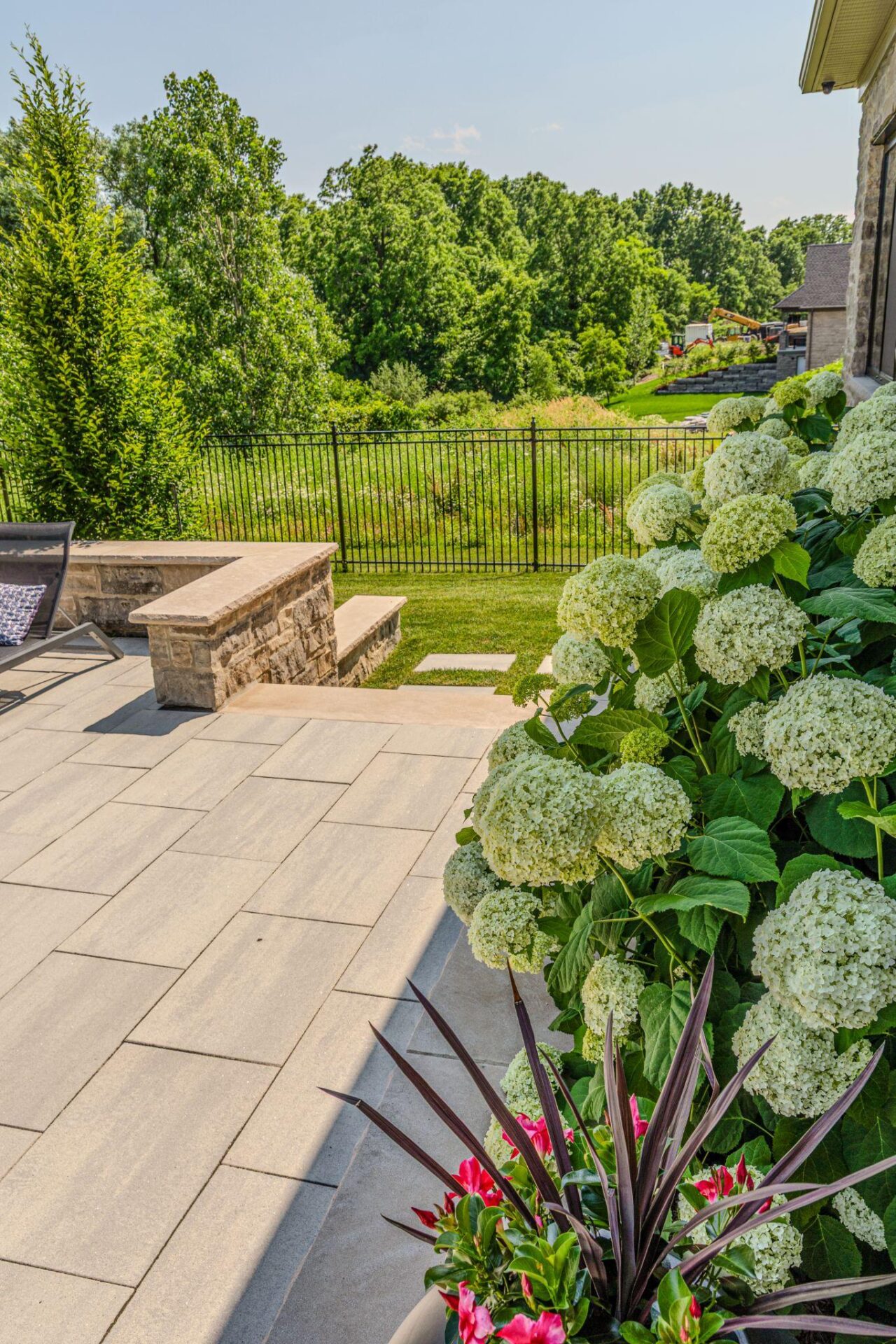
High-quality materials and professional installation do more than make your yard look nice initially. They lower the amount of time and effort you’ll need to put in later.
Here’s how:
1. Right Plant, Right Place
When your plants are suited to your specific soil type, available sunlight, and drainage conditions, they don’t just survive but thrive. This thoughtful placement minimizes the need for constant watering, pruning, or plant replacement.
2. Strong Foundations
A solid foundation is everything. Proper soil preparation ensures nutrients are available where needed. Grading and drainage systems are installed to direct water flow away from roots and structures, reducing the chance of erosion and water damage. These early steps protect both softscape and hardscape elements.
3. Efficient Irrigation
A well-designed irrigation system is like a built-in caretaker. Smart timers and zoning ensure each plant type receives the right amount of water at the right time, all while conserving water. With a system tailored to your landscape’s layout, you avoid overwatering or missing dry spots.
4. Durable Hardscapes
The way patios, walkways, and retaining walls are installed determines how long they last. With high-quality materials, strong base layers, and expert workmanship, these features can withstand freeze-thaw cycles, rain, and heavy foot traffic, all with fewer repairs needed over the years.
Investing in quality upfront means fewer problems and lower maintenance costs over time. It’s one of the smartest moves you can make.
What Makes Maintenance From Over-Communicative Teams More Reliable?

If you've ever waited days for a callback or been left wondering when your maintenance team will show up, you know how frustrating poor communication can be. That’s why over-communication isn’t just a nice touch; it’s a necessary part of great service.
Here’s what you get with a communicative maintenance team:
- A phone that’s always answered (even outside of business hours): We understand that landscape emergencies or urgent questions can arise at any time. Our commitment to you includes having a dedicated team member available to answer your calls, ensuring you always have a point of contact, even after traditional business hours.
- Real-time updates on schedules or weather changes: We believe in proactive communication. You'll receive immediate notifications regarding any adjustments to our service schedule, whether due to unforeseen weather conditions or other logistical considerations, keeping you fully informed.
- Full transparency on what was done and why: After each service visit, we provide a detailed breakdown of the work performed, including specific tasks completed and the rationale behind them. This ensures you have a clear understanding of the value you're receiving.
- Immediate attention to emerging issues: Should any unexpected landscaping issues arise on your property, we are committed to addressing them promptly. Our team will assess the situation and implement a solution with urgency, minimizing potential damage or disruption.
- Guidance on seasonal priorities and long-term planning: Beyond routine maintenance, we act as your trusted advisors. We'll provide expert recommendations for seasonal care to optimize your landscape's health and beauty, as well as assist with long-term planning to achieve your vision for your outdoor space.
Your landscape doesn’t wait when things go wrong. That’s why it’s reassuring to know someone’s always just a call away — and that your concerns won’t be ignored.
How Does Maintenance Tie Into Your Full Design & Build Approach?
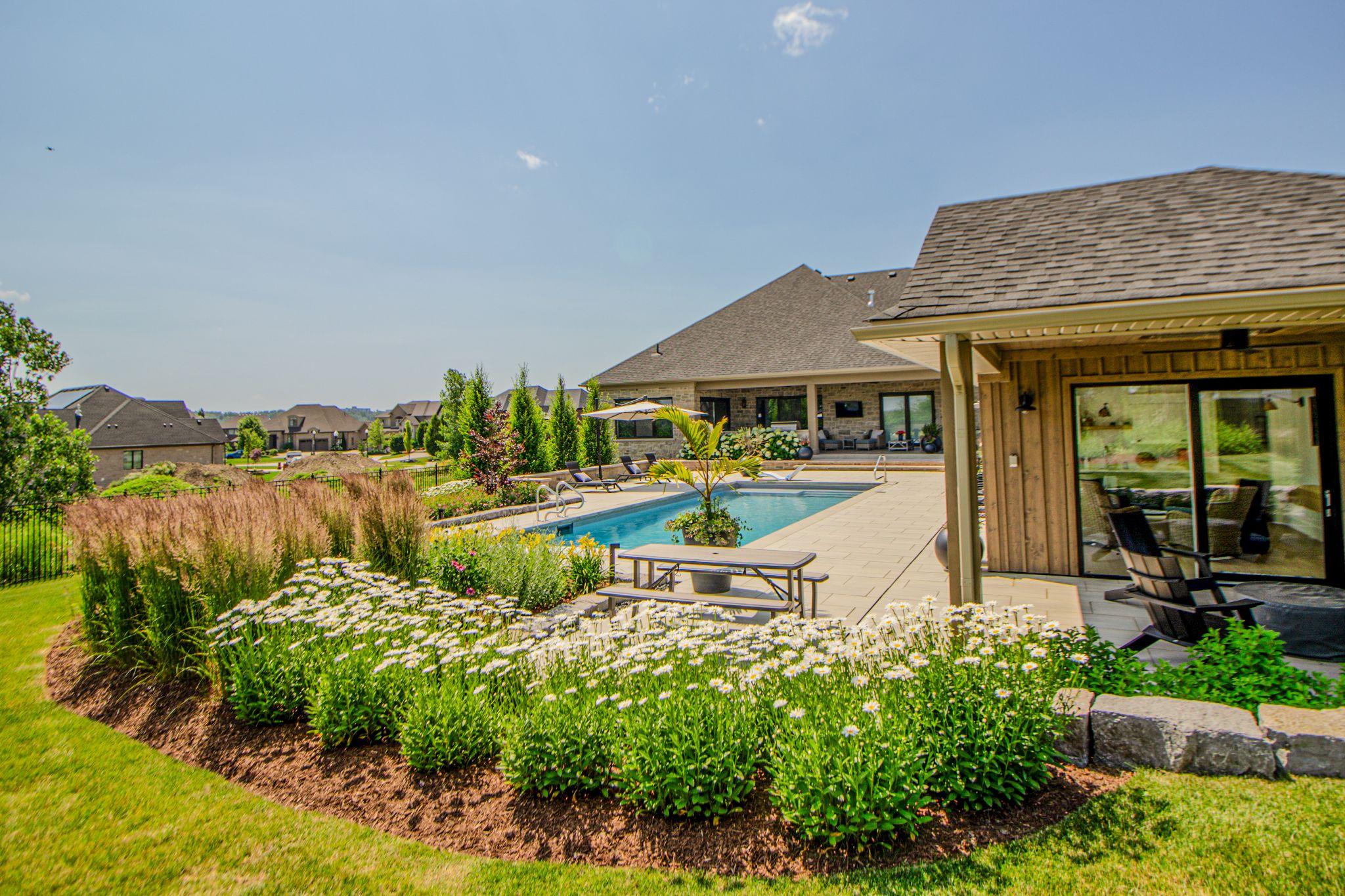
When your maintenance crew knows your landscape’s design from the ground up, they care for it with context, not guesswork.
This connection provides:
- Consistent care: Maintenance is based on the original intent of the design, ensuring each element stays purposeful and well-kept, reflecting the initial vision for your outdoor space.
- Informed decision-making: If changes or replacements are needed, the team understands how they’ll impact the overall layout, ensuring any modifications enhance rather than detract from the existing design.
- Long-term savings: By preventing issues early and making smart recommendations, your team helps you avoid costly overhauls and extensive repairs down the line, saving you money in the long run.
This is why it makes sense to work with the same company from design through build and into ongoing landscape maintenance; continuity results in better service and stronger outcomes.
Your Yard Deserves To Keep Looking Its Best
Your outdoor space should age with grace. When you work with a team that builds with intention and maintains with care, your yard becomes one of the most dependable parts of your property. And with regular landscape maintenance from professionals who value clear communication and reliable scheduling, you’ll spend less time worrying about weeds and more time enjoying the space you’ve invested in.
Request a consultation now and enjoy proactive, reliable landscape maintenance from a team that puts your yard first.
Summary
This blog outlines the essentials of effective landscape maintenance for homeowners. It covers common tasks, scheduling frequency, the benefits of quality installation, and how communication and continuity lead to better results. It emphasizes that a well-maintained yard is a valuable, livable part of your home.
Tags: